
Lapis Lazuli
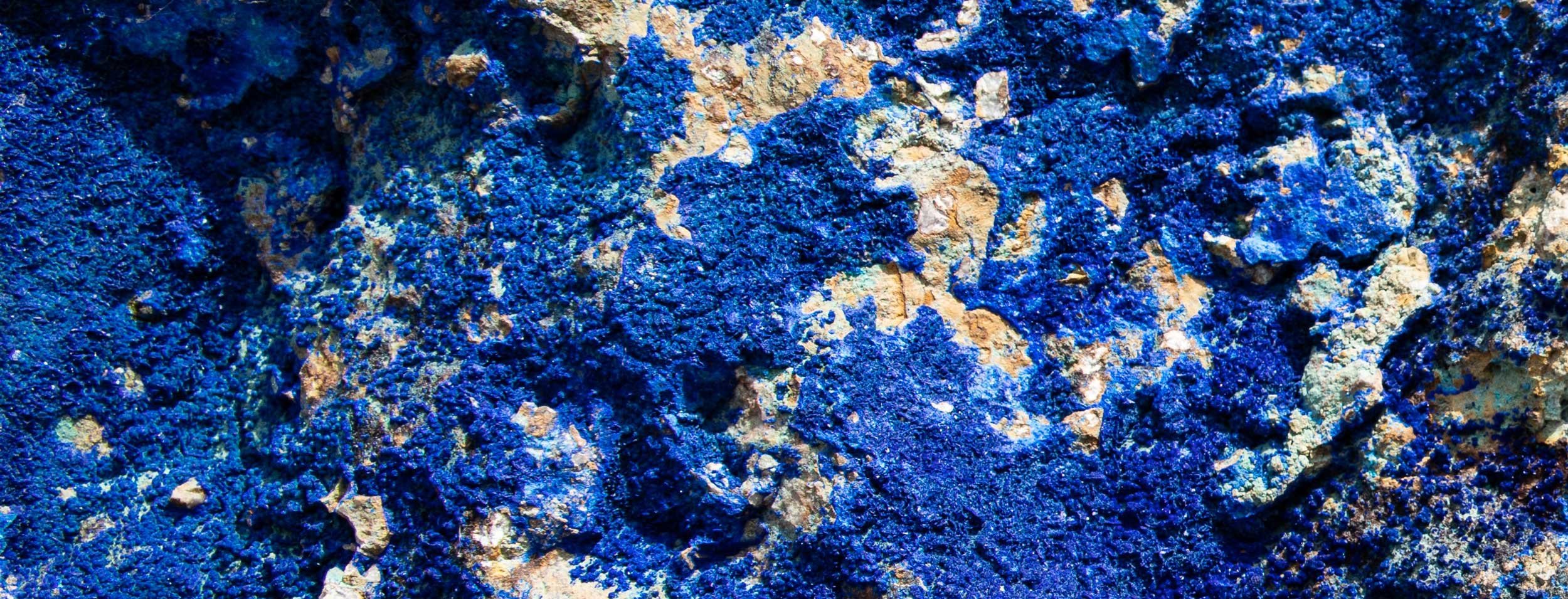
Lapis Lazuli, or lapis for short, is an incredible stone with a past that spans at least the last 6 500 years of human history.
Unlike most of the gemstones used by Malki Studio, lapis is not a mineral but a metamorphic rock with a famously rich and intense blue colour often dotted with golden pyrite flakes.
During the Renaissance, lapis was ground to powder in order to make the famously expensive pigment Ultramarine.
However, the use of lapis goes back much further in history than Renaissance Europe, including in Ancient Greece, Neolithic Afghan/Indus Valley trade routes, Mesopotamia, and Ancient Egypt.
The deep blue colour of lapis connects Malki artists to the past but also to the present.
We greatly value lapis for its embeddedness in the Mediterranean and Middle Eastern cultures that are a part of our heritage.
At the same time, the saturated hues of lapis is reminiscent of the deep waters of the Pacific Ocean, which we are lucky to live next to in Bargara, Queensland.


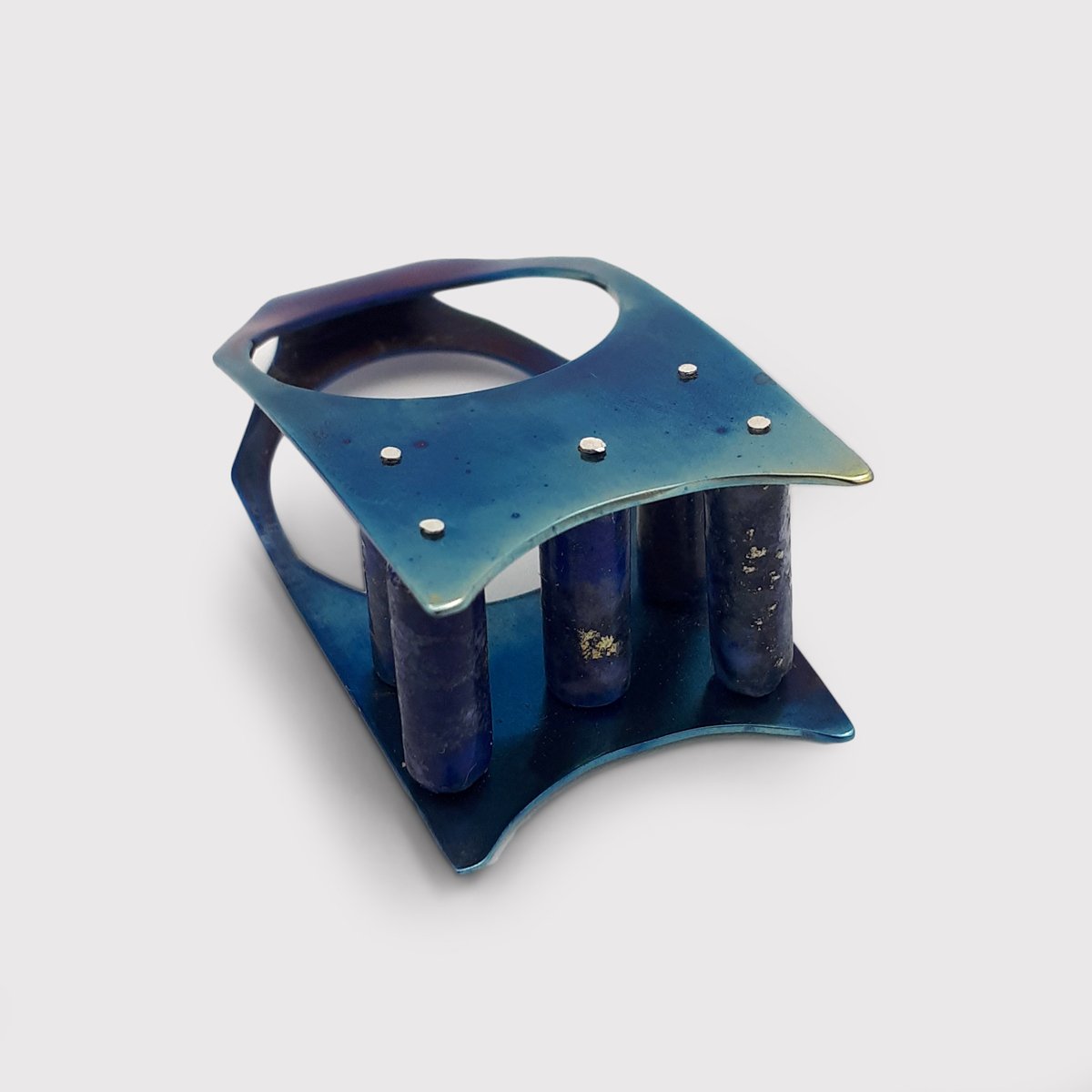
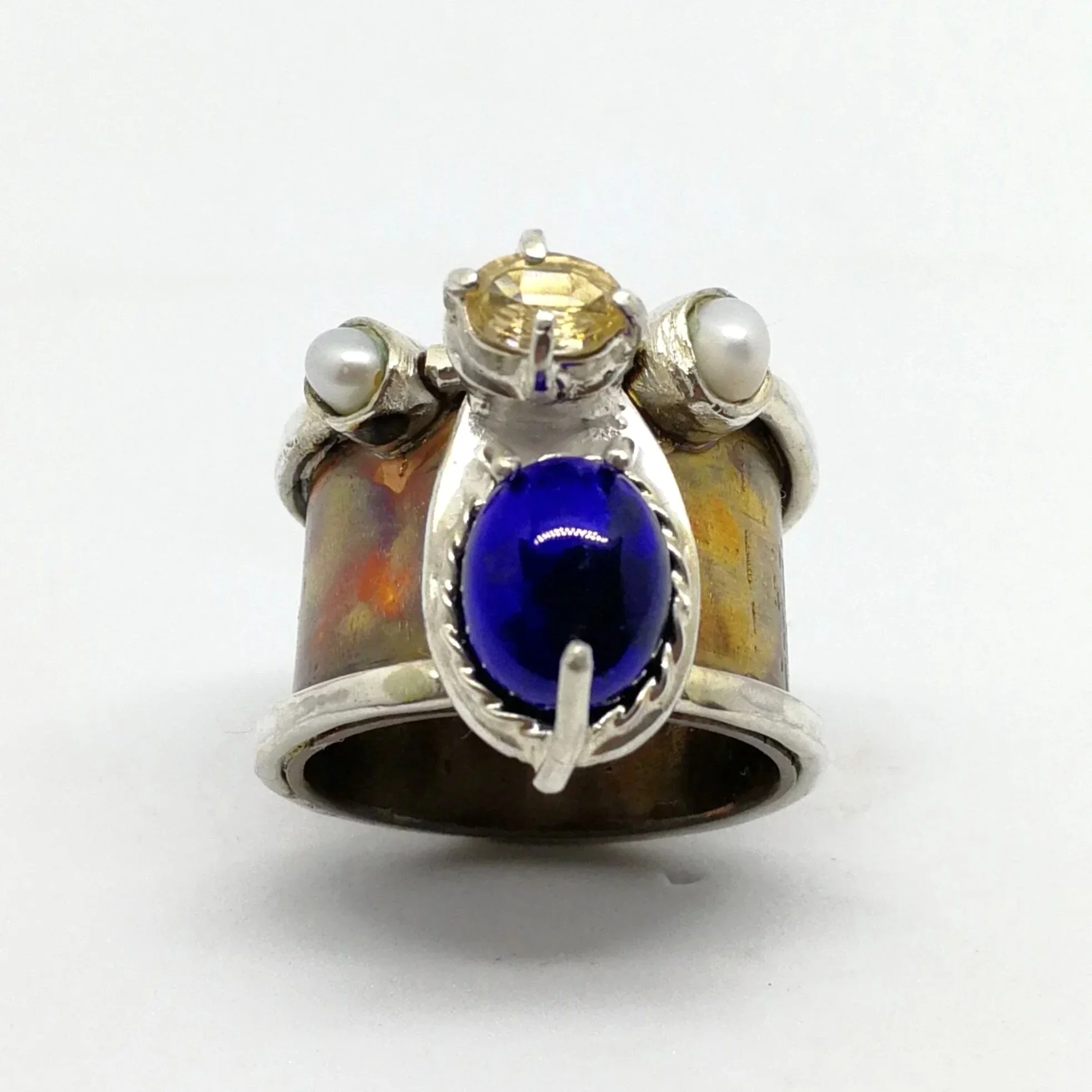
Fibula (Brooch/Pin): responsibly sourced and recycled sterling silver, lapis lazuli, cultured freshwater pearls.
Fibulae are brooches or pins that were developed in the late Bronze Age (approximately 1200BCE) as a way of fastening clothes. Although they have largely been replaced by inventions such as buttons, zippers, and Velcro, fibulae are beautiful objects that can look as contemporary today as they did a few thousand years ago. This fibula is a relatively paired back example of the types of fibulae often seen in North African cultures, and features a stunningly blue lapis lazuli cabochon and richly coloured cultured freshwater pearls set with responsibly sourced and recycled sterling silver.
This piece was selected for artisan Collects (2022), a collaborative initiative between Malki Studio and artisan Gallery that invited collectors to explore jewellery as an art form. For more information, please click here.
Dimension: 2.8cm x 6cm x 0.9cm.